7 Signs Your Commercial Exhaust Hood Needs Repair
By Commercial Hood Experts Editorial Team · 4 min read
If you see smoke, flames, or grease dripping from the hood, your commercial exhaust hood needs repair now. Those are the most immediate indicators that the hood is not capturing or containing combustion byproducts and grease, creating a fire risk and unsafe working conditions.
Below are seven clearer warning signs, what each means, and sensible first steps you can take before a technician arrives. Addressing these early prevents bigger repairs and reduces the chance of a shutdown during service inspections.
TL;DR
- Visible smoke, flames, or dripping grease are immediate safety hazards that require stopping cooking and calling emergency services if active.
- Mechanical noises, electrical issues, and persistent smells indicate problems a technician should diagnose rather than you attempting DIY repairs.
- Repair cost varies with contamination, access, and whether motors or controls need replacement, so expect a range until a technician inspects the system.
- Document symptoms and recent maintenance before a service visit to speed diagnosis and reduce unnecessary trips.
Top warning signs and immediate actions
These are the signs you should not ignore. Each entry explains the symptom and the practical first step you should take.
- Smoke or flames seen leaving the hood
Turn off the cookline for that appliance if safe to do so, pull the fire alarm if needed, and evacuate the area. Call emergency services for active fires and follow up with a professional inspection before reopening. - Strong, persistent grease smell
Stop using the affected equipment until the hood and ductwork are cleaned. Grease smells mean buildup that increases fire risk and reduces capture efficiency. - Excessive vibration or grinding noise from the fan
Turn the hood off and do not restart. Vibration indicates bearing failure or imbalance; continuing operation may cause motor damage or detach components. - Visible grease dripping from the hood or ducts
Close the affected area for deep cleaning and inspect drip pans, filters, and duct seams. Dripping grease is both a fire hazard and a sign of clogged or damaged internal components. - Poor ventilation or backdrafting into the kitchen
Reduce cookline use and ventilate the space if possible. Backdrafting can indicate blocked ductwork, fan failure, or negative building pressure and requires diagnostic testing. - Frequent tripped breakers or electrical burning smell
Shut off power to the hood at the breaker and leave it off. Electrical issues create a serious fire risk and need a qualified electrician and hood technician to inspect wiring and controls. - Damaged or misaligned filters and baffles
Replace missing or badly distorted filters immediately. Damaged filtration reduces grease capture and accelerates contamination of internal components.
1. Smoke, sparks, or visible flames from the hood
Why it matters: Any visible combustion products escaping the hood mean the system is not containing or exhausting them properly. That elevates fire risk and can trigger alarms or insurance concerns.
What to do: If a fire is active, call emergency services immediately. If you see smoke or sparks but no active fire, stop using the affected appliance, evacuate staff from the immediate area, and keep the hood off until a professional inspects it.
Avoid: Trying to run fans or toggle breakers to “clear” smoke. That can make electrical faults worse and spread contaminants.
2. Strong, persistent grease odors
Why it matters: Smell indicates grease has bypassed filters or accumulated in the ductwork. Grease is combustible and reduces capture efficiency.
What to do: Close the cookline for the affected equipment and schedule a deep cleaning. If the smell persists after cleaning, the ductwork or fan housing may be compromised and need repair.
Factors that affect repair cost
Knowing what drives price helps you prioritize repairs and set realistic expectations.
Heavy grease in the hood and ducts increases labor and may require ultrasonic or chemical cleaning to restore safe operation.
Replacing bearings, belts, or the motor itself raises costs compared with minor adjustments or balancing.
Long or hard-to-access ducts require more time and specialized equipment to inspect and clean.
Issues that affect interlocks, switches, or fire suppression systems require coordination with certified fire contractors and may add inspection fees.
Older hood models can need custom or back-ordered parts, which increases lead time and expense.
3. Loud or unusual fan noise and vibration
Why it matters: Bearings, belts, or impellers that fail cause noise and imbalance, which rapidly degrade the fan motor.
What to do: Shut the hood and do not restart it. Continued use can seize the motor or send parts into the ductwork. Record the noise if possible for the technician to review.
4. Grease buildup or dripping inside or outside the hood
Why it matters: Dripping grease shows filters or baffles are not functioning, or seams and joints are compromised. This condition accelerates corrosion and heightens fire risk.
What to do: Close the area to food prep for cleaning and inspection. Replace damaged filters and check drip pans; if grease appears inside duct runs, expect a more extensive cleaning and potential repairs to shields or access panels.
What to prepare before a technician arrives
Having this information ready speeds diagnosis and helps the technician bring the right tools and parts.
- Photos or short video of the visible problem, including fan noise if possible
- Date and details of the last professional hood cleaning
- Any recent events (power surges, power outages, fire alarm activations)
- Access plan: keys, codes, or contact person for after-hours inspections
- Model and serial numbers if visible on the hood or fan housing
5. Poor airflow, backdrafts, or uneven capture
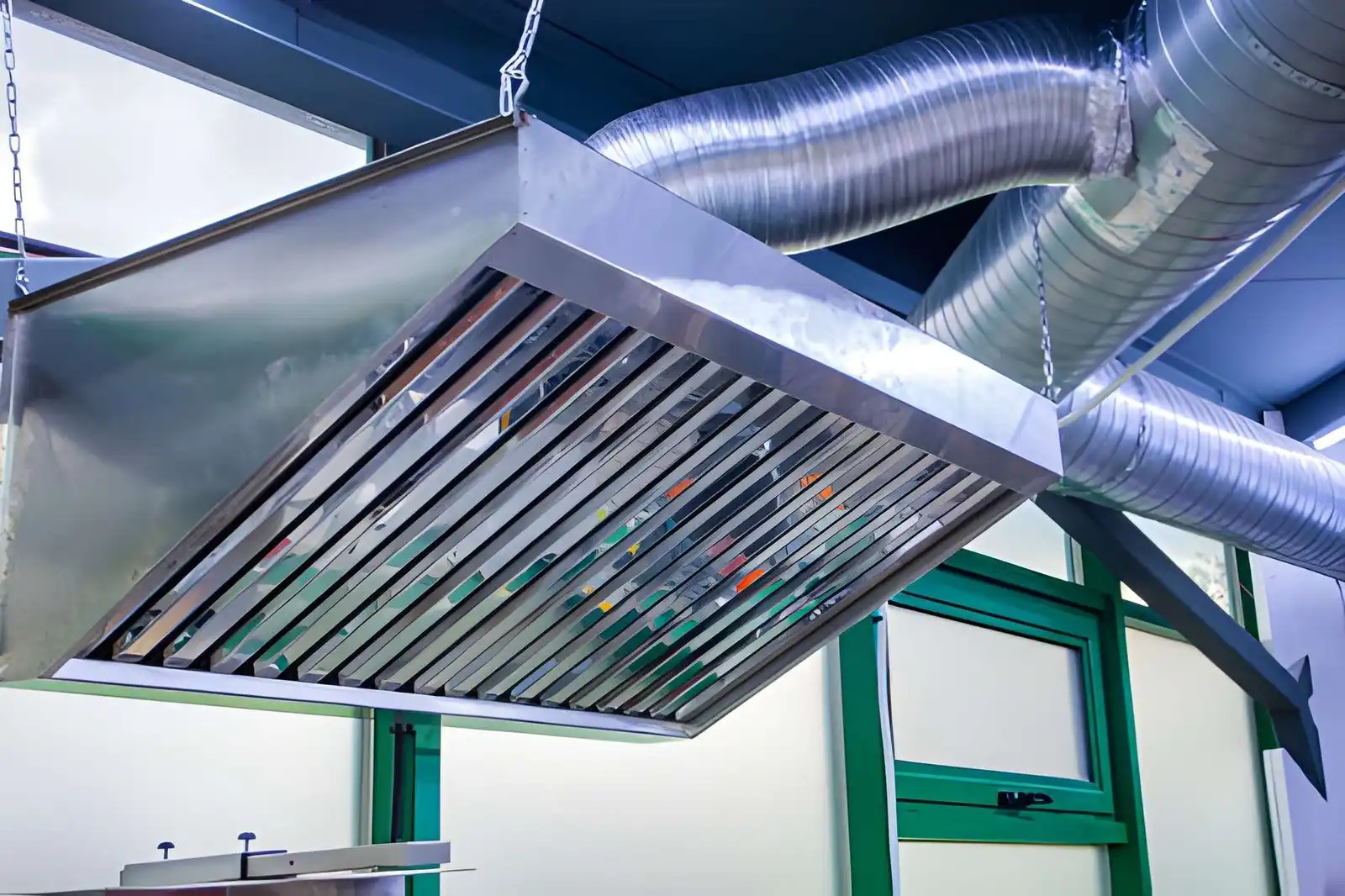
Why it matters: Reduced capture means contaminants stay in the kitchen or recirculate into dining spaces. Causes include blocked ducts, a failing fan, or building pressure changes.
What to do: Reduce cookline load and ventilate if safe. A technician will need to measure airflow and inspect ducts, fan performance, and makeup air balance to find the root cause.
6. Electrical issues or burning smells
Why it matters: Tripping breakers, blown fuses, or a burning odor point to wiring or control failures. Those faults can ignite grease deposits or damage motors.
What to do: Cut power at the breaker and keep it off. Do not attempt electrical repairs yourself unless you are a licensed electrician. A coordinated inspection between an electrician and a hood technician is often required.
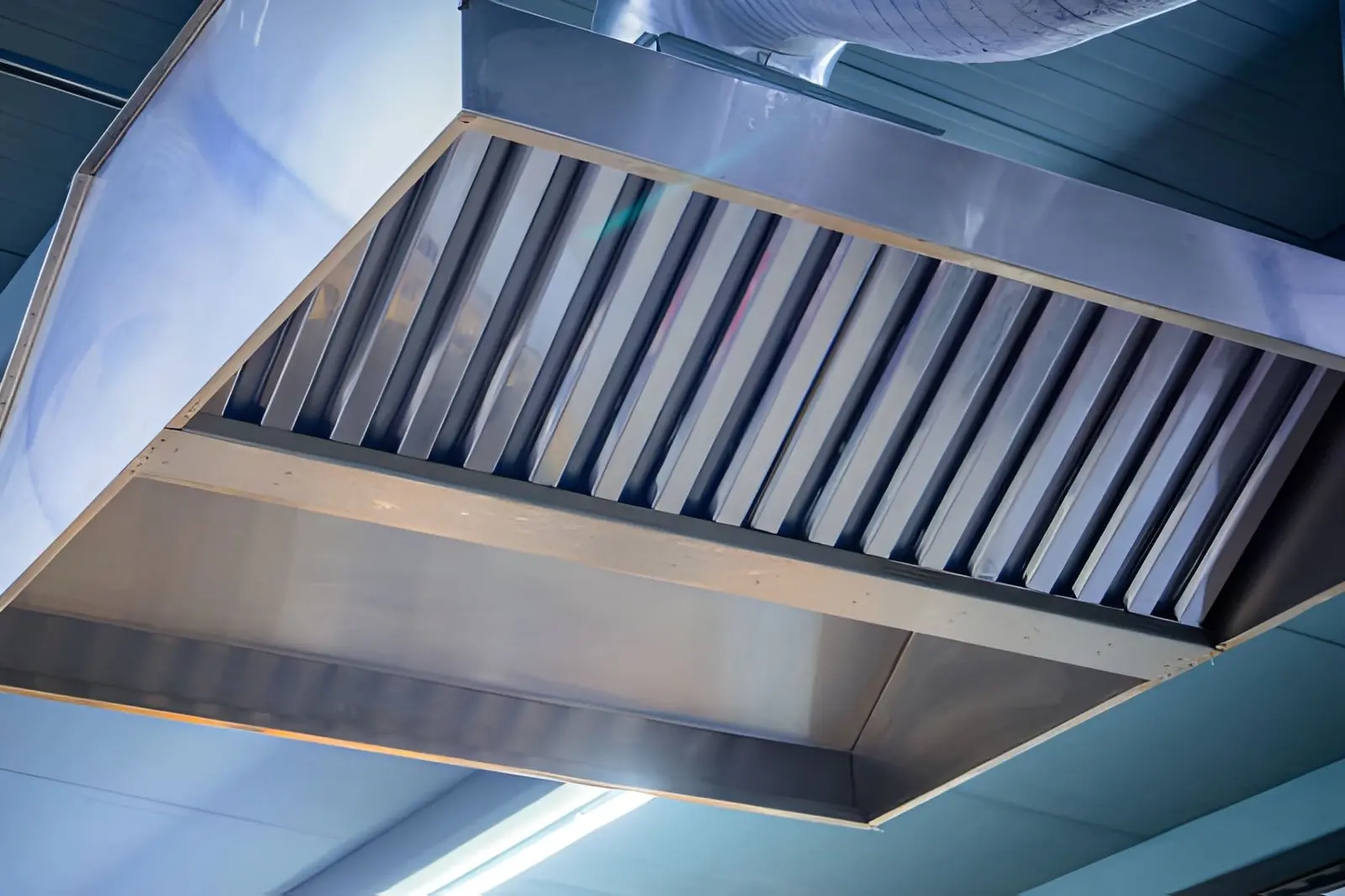
7. Damaged, missing, or misaligned filters and baffles
Why it matters: Filters and baffles are the first line of defense against grease. When they are compromised, grease migrates deeper into the system and increases cleaning frequency.
What to do: Replace or realign damaged components immediately. If parts are not available or the hood shows warping or corrosion, expect recommendations that range from component replacement to full hood servicing.
When you should schedule a professional inspection
If any of the signs above persist after basic actions, schedule a professional inspection. Technical diagnostics include airflow measurement, fan vibration analysis, motor testing, and a duct inspection for grease accumulation.
Before the visit, prepare the items in the preparation checklist module: photos, last cleaning date, and access notes. This makes the visit more efficient and helps the technician provide an accurate estimate.
For repair options and to book an experienced technician, you can review a local repair service overview here: Commercial Exhaust Hood Repair.
How repairs and cleaning interact
Cleaning alone often fixes capture problems caused by grease. However, if mechanical faults, electrical issues, or structural damage exist, cleaning will only be a temporary fix.
- Cleaning addresses surface and duct grease.
- Repair addresses mechanical alignment, motors, and electrical systems.
- Replacement addresses severely corroded sections, damaged fans, or obsolete control panels.
When a technician inspects your system, expect them to separate cleaning recommendations from repair or replacement items so you can prioritize safety and budget.
Local maintenance tip
One relevant resource on related maintenance and fan repair is a general fan repair page that explains fan-specific issues: Commercial Exhaust Fan Repair.
Frequently asked questions
How quickly should I act on a noisy fan?
Act immediately. Unusual noise or vibration often signals bearing or balance problems that can damage the motor quickly. Turn the hood off and schedule a professional inspection to avoid a costly motor failure.
Can regular cleaning prevent most repairs?
Regular, professional cleaning prevents many grease-related failures and reduces fire risk, but it does not prevent mechanical wear or electrical failures. Combine scheduled cleanings with periodic technical inspections for best results.
Is a persistent grease smell an emergency?
A persistent grease smell is a serious concern because it indicates grease migration beyond filters. Treat it as a priority; restrict cooking on the affected equipment until cleaning and inspection confirm safe operation.
What should I have ready before a repair visit in my city?
Provide photos or video of the issue, the date of the last professional cleaning, access instructions, and any model information visible on the hood or fan. This helps the technician come prepared and can shorten diagnostic time.
Will an electrical smell always mean rewiring?
Not always. The smell can result from an overheated component that needs replacement, loose connections, or a failing motor. The correct fix depends on a qualified inspection, and you should not run the hood until the source is identified.
Ready to get started? Contact Commercial Hood Experts today.