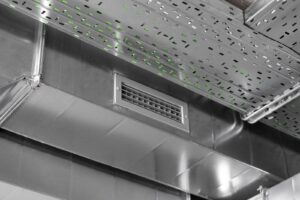
In a busy commercial kitchen, a loud or rattling hood is not only annoying, but it can also affect workflow, staff concentration, and even compliance with safety regulations.
While some operational noise is normal, persistent clanks, whines, or vibrations often signal problems.
Many restaurant owners and kitchen managers face kitchen hood noise issues that disrupt operations and increase maintenance costs.
Pinpointing the Source of Noise
The first step is identifying the type of sound your hood produces. Is there a grinding motor when you start it or a high-pitched whistling during peak operation? Maybe the hood vibrates against the ceiling or ductwork.
Observing when the noise occurs (startup, during continuous operation, or shutdown) gives important clues.
Staff should note the patterns, as this information helps technicians diagnose and fix the issue efficiently.
Common Causes Behind Kitchen Hood Noise Issues
There are a few common causes of hood noise:
- Unbalanced or damaged fan blades: In commercial hoods, heavy-duty fans that are chipped or misaligned produce loud vibrations that can interfere with kitchen operations.
- Clogged filters or grease buildup: Grease and debris restrict airflow, forcing the system to work harder. This not only increases noise but also raises the risk of fire hazards.
- Worn or failing motors and bearings: Commercial kitchen hoods run longer and harder than residential units. Aging motors or faulty bearings often produce grinding or humming sounds.
- Improper installation or mounting: Misaligned hoods or ductwork vibrate against walls, ceilings, or supports, amplifying noise throughout the kitchen.
- Ductwork obstructions or undersized vents: Turbulence caused by blocked or undersized ducts leads to whistling, rumbling, and uneven airflow, worsening overall kitchen hood noise issues.
Effective Solutions for Commercial Kitchens
Once the source of the noise is identified, targeted solutions help restore a quieter, more efficient kitchen:
- Schedule regular cleaning of grease filters and interior components to maintain airflow and reduce strain.
- Tighten mounting hardware, secure fan housings, and balance blades to minimize vibration.
- Replace worn motors, bearings, or fan assemblies with heavy-duty commercial-grade components.
- Inspect ductwork for obstructions and ensure proper sizing to prevent turbulence and excess noise.
- Add anti-vibration pads or sound insulation where the hood contacts surfaces to reduce resonance.

Preventing Recurring Noise Problems
Routine maintenance in commercial kitchens is critical. Frequent inspection of filters, ductwork, and mechanical components prevents small issues from becoming operational hazards.
Regular upkeep mitigates noise and prolongs equipment life, improves energy efficiency, and keeps kitchens compliant with safety standards.
Restoring Efficiency and Focus in Your Kitchen
By addressing kitchen hood noise issues promptly, you protect both staff productivity and equipment longevity.
A properly maintained, quiet hood enhances operational efficiency, reduces distractions, and maintains a professional kitchen environment, ensuring your team can focus on preparing meals safely and efficiently.
Professional Solutions for Your Commercial Kitchen Hood
If your commercial kitchen is struggling with noise, maintenance, or installation challenges, our experts at Commercial Hood Experts provide comprehensive solutions.
From inspection and repair to full installation and upgrades, we ensure your hoods operate quietly and efficiently, helping your kitchen stay safe, productive, and focused on what matters most: serving great food.Reach out to us today to get a top-quality ventilation system for your kitchen!